If you have ever been diagnosed with PCOS chances are the thing that confused you was the name itself.
You might have asked yourself:
"Do I have cysts?"
"Is this dangerous?"
"Will I be able to get pregnant?"
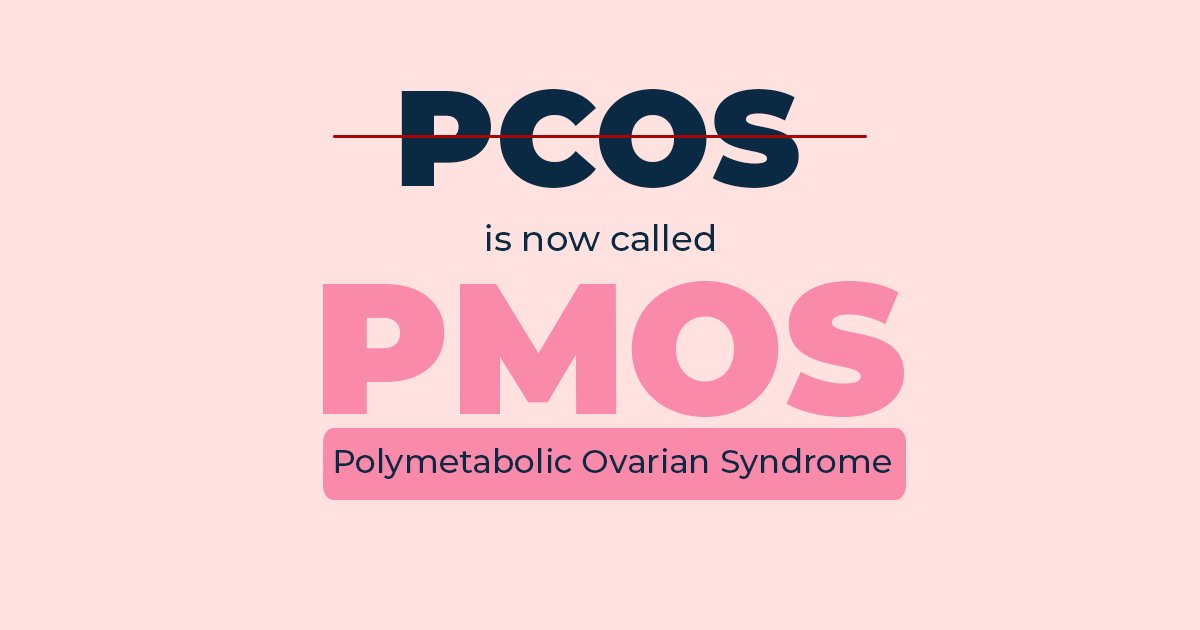
These are some of the common questions women ask after hearing the term polycystic ovary syndrome for the first time. But here is the part. Many women diagnosed with PCOS do not actually have cysts in their ovaries at all. That is why doctors and researchers around the world have new name for the condition: PMOS, which stands for Polymetabolic Ovarian Syndrome.
The idea behind this shift is simple. Experts believe the current name does not fully explain what women are really going through. PCOS is not about ovaries. It affects hormones, metabolism, insulin levels, skin, weight, mood, fertility and even long-term health.
In ways the body is dealing with much more than just "ovarian cysts."
So Why Change the Name?
The term PCOS was created years ago when doctors noticed that many women with problems also had multiple tiny follicles visible on ultrasound scans. These were often called cysts and the name stuck. Over time though research started showing a picture. Some women with PCOS had no cysts all. Some women with cysts did not have PCOS. Many symptoms had nothing directly to do with the ovaries. That is where the conversation around PMOS began.
The word "polymetabolic" focuses on metabolism. The way the body manages insulin, energy, hormones and fat storage.
This makes sense because insulin resistance is one of the biggest underlying factors in many women with PCOS. In words PMOS tries to describe the condition more accurately.
PCOS Was Never About Periods
One reason this condition is so frustrating is because symptoms can show up in completely different ways.
For one woman it may look like weight gain, For another it could be acne that never settles, Someone else may only discover it after struggling to conceive, Some women have periods but severe hormonal symptoms, Others have cycles for years without understanding why.
Common symptoms can include:
* irregular periods
* Facial hair growth
* Acne
* Hair thinning
* Weight gain
* Fatigue
* Mood swings
* Difficulty getting pregnant
What makes it harder is that many women spend years trying to "fix" symptoms without realizing they are connected.
They see a dermatologist for acne, a nutritionist for weight gain, a gynecologist for periods. The root cause often traces back to hormonal and metabolic imbalance.
The Insulin Connection Most People Don’t Talk About
One of the reasons experts support the PMOS name is because insulin resistance plays such a major role in the condition. Insulin is the hormone that controls blood sugar levels. In women with PCOS the body stops responding to insulin properly. To compensate the body produces more insulin. This extra insulin can trigger changes, especially increased androgen levels. Those hormonal shifts can then affect ovulation, skin, hair growth and even energy levels.
This is why many women with PCOS constantly feel crave sugar struggle to lose weight or feel like their body is "working against them." It is not simply about eating much or exercising too little. Hormones are deeply involved.
That is exactly what the newer term PMOS is trying to highlight.
How It Affects Fertility
For women the fertility side of PCOS is the most emotionally difficult part. When ovulation becomes irregular getting pregnant can take longer than expected. Some women skip ovulation entirely for months without even realizing it and this can make tracking days extremely confusing.
Women with PCOS or PMOS may experience:
* Delayed ovulation
* Irregular menstrual cycles
* imbalance
* Poor egg quality
* Difficulty conceiving naturally
But it is important to understand something PCOS does not automatically mean infertility, that fear is very common. It is not accurate. Many women with PCOS go on to conceive naturally once their hormones and lifestyle factors are managed properly.
Others may need support or fertility treatment depending on their situation but early diagnosis often makes a difference.
The Emotional Side of PCOS That Often Gets Ignored
One thing many women quietly struggle with is how emotionally exhausting this condition can become.
The physical symptoms are one part of it and constantly feeling misunderstood is another.
Women are often told:
" lose weight."
"Stress less."
"Your reports look normal."
Meanwhile they may be dealing with fatigue mood changes, irregular cycles, body image struggles or anxiety about fertility.
The condition can affect confidence in ways people around them may not fully understand that is another reason the PMOS discussion matters.
Can PMOS Be Managed?
Yes.. In many cases symptoms improve significantly with the right approach there is not single solution because every woman experiences the condition differently. Most treatment plans focus on improving hormonal balance and insulin sensitivity.
Lifestyle Changes
For women small consistent habits make the biggest difference like regular movement, meals, proper sleep and stress management can help regulate hormones over time. This does not mean following diets or punishing workout routines.
In fact restrictive approaches often make symptoms worse. Most specialists now encourage lifestyle changes rather than quick fixes.
Nutrition Matters
Foods that help stabilize blood sugar levels are often recommended for women with PCOS. This usually includes:
* Protein-rich meals
* Fibre- foods
* Healthy fats
* grains
* Reduced processed sugar
The goal is to support insulin balance than simply focusing on calorie restriction.
Supplements and Medical Support
Some women also benefit from supplements like myo-inositol, omega-3 fatty acids, vitamin D or folate and others may require medications to regulate ovulation or menstrual cycles. Treatment always depends on symptoms, goals and overall health, that is why personalized care is important.